
Craniosacral Therapy
Supporting the body’s release of deep-seated tension, trauma, and physical scar tissue, including birth and C-section recovery.
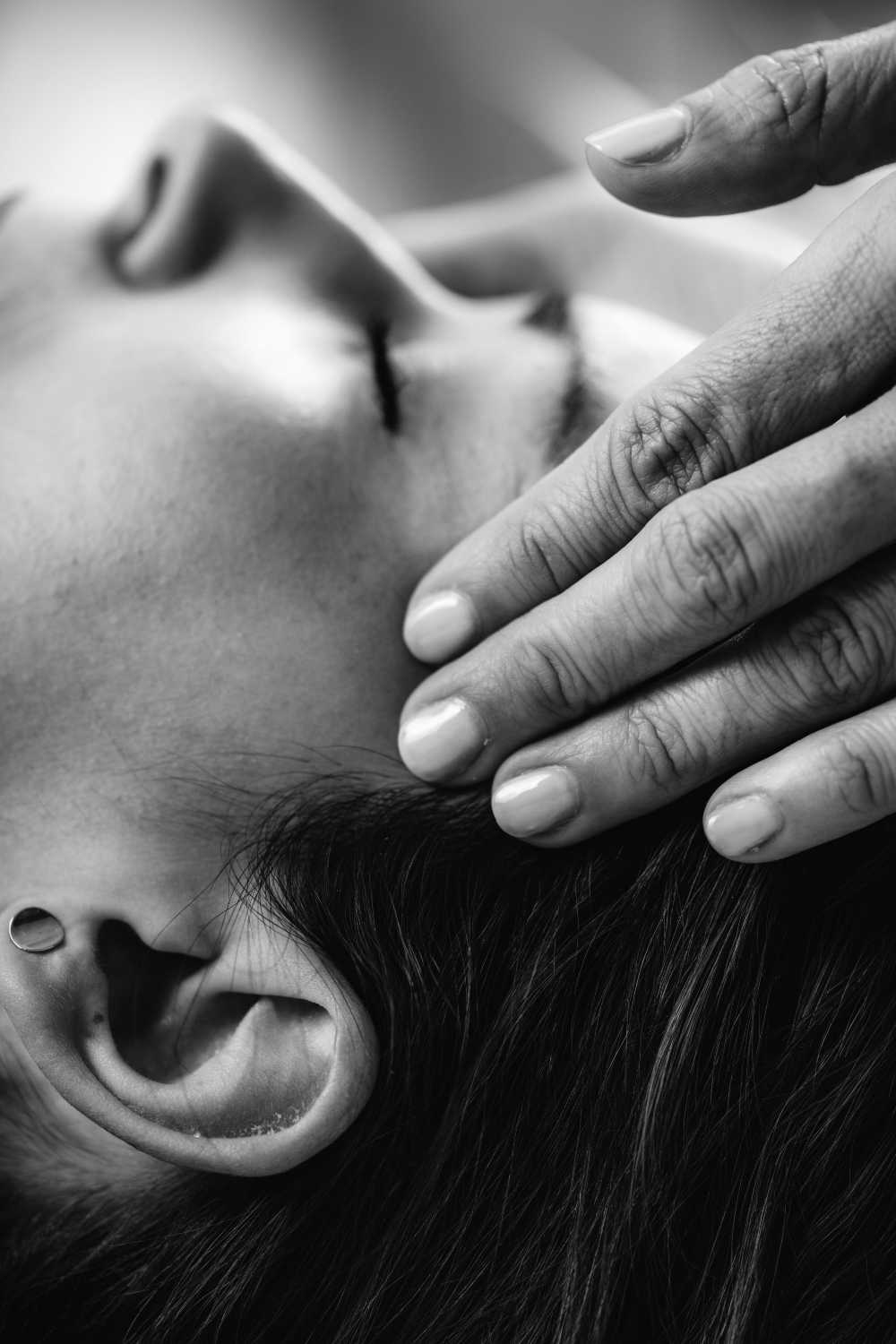
Craniosacral Therapy
We live in a world that keeps us on high alert, where the pressures of daily life—and the lingering impact of past experiences—often wear our nervous systems down.
Whether you’re navigating the heavy weight of a specific trauma or simply feeling the cumulative effect of constant stress, your body often gets stuck in a state of ‘fight or flight.’ When that cycle doesn’t complete, it creates deep-seated tension that settles into your posture, your breathing, and your overall sense of wellbeing—often showing up as fatigue, sleep disturbances, or a persistent feeling of being ‘unsettled’.
A New Approach to Wholeness
Historically, healthcare has often separated the mind from the body. Craniosacral Therapy bridges this gap. It is a quiet, gentle practice that works with your body’s own subtle rhythms to help your nervous system finally feel safe enough to power down.
When you come for a treatment, we are doing more than just relaxing; we are actively creating the conditions your body needs to drop those defensive patterns. By combining this work with SomatoEmotional Release, we address the body and mind simultaneously, helping you release the energy that has been held in your tissues.
You’ll leave a session feeling the shift: that persistent, frayed-nerve feeling begins to fade, replaced by a clarity and ease that allows your body to return to its own natural, healthy rhythm.
What is Craniosacral Therapy?
Craniosacral Therapy is a gentle, hands-on yet powerful modality that helps regulate, soothe, and calm the nervous system. This has a cascading effect on other systems in the body, including:
- Circulatory system
- Lymphatic system
- Musculoskeletal system
- Digestive system
- Energy systems (meridians and chakras)
As the healing and integration process unfolds, you will feel more balanced, grounded, and relaxed. Symptoms will begin to fade, paving the way for a renewed sense of well-being.
Conditions treated include, but not limited to:
- Reduces the impact of scar tissue.
- Chronic pain
- Headaches and migraines
- Tension
- Scoliosis
- Temporomandibular joint syndrome (TMJ)
- Anxiety
- Depression
- Fascial tension release, helping all connected systems function better, allowing for improved:
- Self regulation
- Self correction
- Self healing
Craniosacral Therapy
A somatic practice — your questions answered honestly.
-
Craniosacral therapy isn't like a massage. You stay fully clothed, lie on a comfortable table, and very light touch is used — about the weight of a 5-cent piece — to listen to the body's rhythm, assess for areas of restriction, and from there the gentle work begins.
-
The treatment is non-invasive, gentle, and never forceful. If you feel like you are "guarding" due to trauma, you can be comforted by the knowledge that when changes occur, they are gentle yet significant as the nervous system integrates the effects of emotional and physical trauma.
-
The honest answer is that it varies for everyone. That said, many therapists suggest a block of sessions — typically 3 to 6 — to allow the nervous system the time it needs to process and re-pattern. Each session builds on the last, and the cumulative effect is often where the most meaningful shifts occur.
-
Yes — in fact, it's particularly well-suited for birth and C-section trauma due to the gentle yet constructive way the body can be supported to release physical "holding patterns" in the tissues that developed during or after the trauma. Your body is always the judge of how much is released, and it will only work within your coping mechanisms at the time of treatment.
-
This is a common concern, and it is completely understandable. My clinic is a safe, held space where emotions can be gently released at a pace that is comfortable for you. You are always in control. Nothing is forced, and you can stop or redirect at any time.
-
Craniosacral therapy is a complementary, holistic therapy that works well alongside other support mechanisms — doula, midwifery, counselling, and more. It does not replace medical advice, and I actively encourage working in collaboration with your wider care team.
-
Craniosacral therapy is a somatic practice that works with the brainstem and the autonomic nervous system — going directly to where trauma was stored before the thinking mind had a chance to name it. Often people enter a deep trance-like state, and it's from this place that 'lightbulb' moments can arise. You may wish to express these verbally, but the outcome isn't reliant on talking at all.
That said, some people feel most supported when they have space to be heard. Before, during, or after the session, you are welcome to use the time for expression in a safe, non-judgmental environment. There is no right or wrong way to be in the room.
-
When the treatment finishes you may feel deeply relaxed, "floaty," tired, euphoric, and possibly carry a quiet sense of knowing — a change you can feel but haven't yet found words for. All of these experiences are completely normal as the nervous system resets.
If at all possible, continue to rest afterward and embrace the sensation of slowing down, being grounded, and perhaps experiencing moments of clarity or insight. -
Many people worry they are "doing it wrong" — this is completely understandable, but unfounded. All the changes are happening at a subconscious level, and deep shifts often occur even when you feel like you are simply resting. You don't need to feel dramatic sensations for the work to be working.
Ready to experience it for yourself?
Book a session and discover what your body has been waiting to release.
Book a SessionBook a Stetch Class or Cranio Sacral Therapy
If you are carrying the weight of past or recent stress and are looking for a path back to safety, I would love to support you.